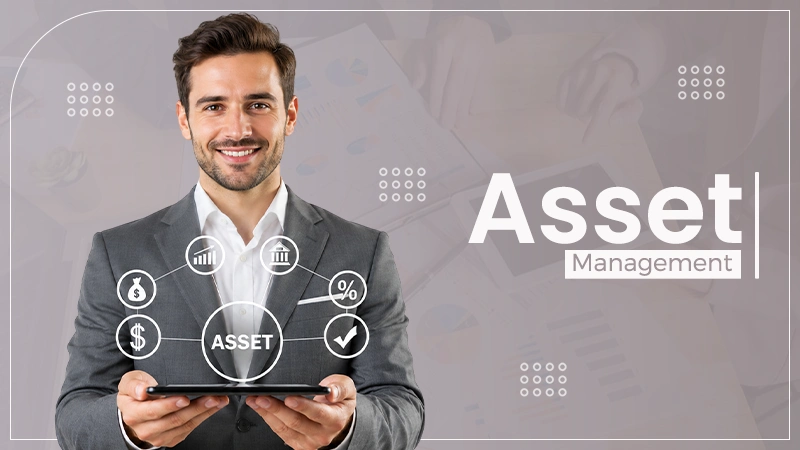


Asset management is a systematic and strategic process of managing an organization’s assets over their entire life cycle. It is about the planning, sourcing, deployment, monitoring, management, review, and ultimately, withdrawal of assets to give value and support organizational aims.
Resources are important financial and operational values in a contemporary workplace, and just having an asset does not mean it will be utilized effectively. A good system, correct information, well-balanced asset ownership, and ongoing monitoring are necessary to ensure that assets provide desired value. That’s where asset management and asset managers come into play. Let’s understand the concept in detail in this blog!
Asset management is the streamlined functioning of the processes of value realization from assets. It takes into account the current cost of an asset and the costs of operating, maintaining, depreciating, taking risks, performing, replacing, and disposing of the asset.
If 100 laptops are bought to supply employees, then that is just the first step in the management chain. The company should document the laptops, assign them to the users, keep track of where they are, maintain them, keep an eye on the warranties, ensure the data stored on them is secure, and finally dispose of them or replace them in a secure manner.
Asset management thus involves all activities related to an asset’s life cycle, from the time it is decided to purchase an asset to when it is retired.
Now that we know what is asset management, let’s understand the role of the managers.

An asset manager is a person who manages assets and ensures they are utilized in an efficient, safe, and cost-effective manner. The roles and duties of the asset manager will vary depending on the type of work and assets they are managing.
Managers working in an IT environment could be responsible for managing computers, servers, mobile devices, software licenses, networking equipment, and more. Managers working in manufacturing could oversee machinery, manufacturing equipment, manufacturing tools, and facilities. In the financial services industry, asset managers can handle financial holdings and investment portfolios for their customers.
The key role in any industry is to maximize the value of assets and minimize costs and risks.
An asset manager plays a vital role in the organization that ensures that assets are managed, used, maintained, and protected throughout their life cycle. The position involves strategic planning and daily coordination and monitoring for various departments.
In general, an asset manager is a link between people, processes, technology, and financial resources to ensure the optimal return for the organization on its assets.
Also Read: Bank Statement: What It Is, How to Get It, and Its Importance
Knowing about asset management can be understood in a series of lifecycle stages.
Technology plays a key role in asset management. It has revolutionized management in the organization. As paper-based and traditional spreadsheets can become cumbersome as the numbers grow, software programs can give a unified perspective of an organization’s assets and streamline many tasks. It can monitor who owns it, where it is, maintenance dates, warranties, depreciation, and its life cycle.
Dashboards and reports can provide live and regularly updated data that enables asset managers to recognize trends and make informed decisions.
There can be other benefits when it is integrated with other systems used by your business. These systems can be integrated with procurement, finance, IT service management, inventory, or enterprise resource planning systems. Human errors can also be minimized with automation.
There are many benefits of asset management, like cost control, reduced operational risk, better financial management, and more.
Check Out: Pending Transactions: Meaning, Processing Time, and Bank Balance Impact
Although asset management can be beneficial, it is a difficult job. An issue that often arises is the wrong or stale asset data. If employees start to move assets without updating the asset register, the data becomes unreliable very quickly.
The other difficulty is the number and diversity of assets in today’s organisations. Many errors can be made when managing thousands of assets, and it can be time-consuming.
However, budget constraints are another big problem for asset managers. There is a need to balance the demand for maintaining or replacing assets with financial resources.
Technology problems can give rise to inaccurate data. Proper implementation, maintenance, and integration of management systems with existing systems is required. Staff also require proper training so that information about assets is kept up to date.
Plus, asset managers need to be constantly ready to adjust to new technical, business, and security demands.
There are a number of key practices that successful asset managers follow:
The process of asset management is an integral part of business operations that helps organizations to realize maximum value from their assets. It isn’t just about stating what an organization has. The process needs careful planning, tracking, maintaining performance, and managing risks.
Strong asset-management practices and skilled asset managers can help organizations be more efficient, control costs, minimize risk, and make more strategic decisions.
Read Next: What is Single Touch Payroll? – Its Benefits, Common Mistakes, and Reporting Process
This is a process that involves planning, acquisition, monitoring, utilization, and disposal of assets that a company owns.
An asset manager manages all the assets of a company, making sure they are properly recorded, used, maintained, and protected. They are also responsible for asset-related costs and risks, compliance, performance, and ultimate disposal.
By managing assets effectively, organizations can cut unnecessary spending, maximize asset usage, prolong asset service lives, and reduce risks from operations. It also enhances accountability and helps to give accurate information for strategic planning.
Sources :
- Asset Management – By Office of the Comptroller of the Currency
- What is Asset Management and what does a Financial Asset Manager do? – By News and Events UONLINE