

Unexpected costs can occur anytime. An unexpected bill, car repair, medical cost, or another unanticipated expense can leave people in a bind without enough cash until their next payday.
A payday loan is a high-cost, short-term loan that is designed to help pay for a person’s short-term expenses, typically until their next payday. These loans are usually small-scale and have a short tenure.
While these loans can be beneficial in providing quick cash, they can also be much more expensive for borrowing money. We will discuss all about payday loans in this blog!
What is a Payday Loan?
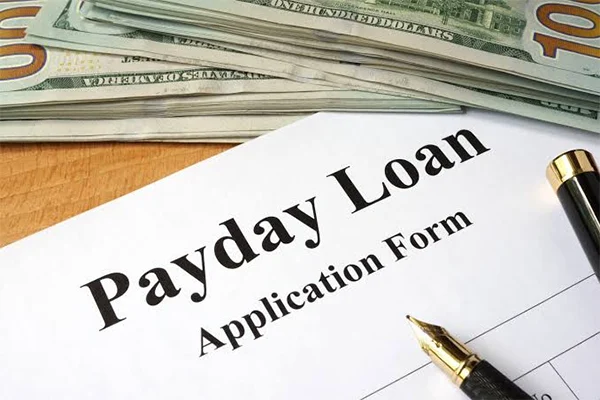
A payday loan is typically a short-term loan that is provided to cover a short-term need for cash that will be repaid when the borrower receives their next paycheck or source of income.
Payday loans usually come with a number of features:
- Small loan size, in relative terms.
- Short repayment periods.
- No need for conventional security.
- A fast application and approval procedure.
- Income-based repayment that takes into account the borrower’s income cycle.
- Higher expenses than most types of credit.
The interest rates, fees, and terms vary from country to country and are regulated by a set of regulations in some countries as a distinct type of consumer lending, and in others as a specific type of short-term loan.
Borrowers need to know what laws and regulations are followed in their country before they borrow a payday loan.
How do Payday Loans Work?
Typically, the process is quicker and easier than seeking long-term credit, and that is why it attracts people who are looking to borrow quick cash and repay in a short time.
Step 1: Application
Based on the lender and local requirements, the borrower provides information like identification, income, employment, banking information, etc.
Step 2: Assessment of Eligibility and Affordability
The lender evaluates the applicant and determines if he or she is eligible. This can involve checking income, financial obligations, and credit history, as well as checking banking details and credit.
The degree of such checks is different from lender to lender and from jurisdiction to jurisdiction.
Step 3: Loan Offer
If the loan terms are approved, the borrower is given the proposed loan terms.
This is a crucial step, as the borrower needs to check:
- Amount borrowed
- Interest rate
- Fees and charges
- Annual percentage rate
- Repayment date
- Total amount repayable
- The penalties for late or missed payments.
Step 4: Funds Are Given
The lender will make the funds available by the payment method used in the market once the agreement is finalised.
Step 5: Repayment
The borrower pays back the loan as per the agreement. Most payday loans have short repayment terms, which are typically fixed at the borrower’s next payday. But certain contemporary short-term lending products have installments instead of a solitary repayment.
Advantages of Payday Loans
Payday loans, although expensive, can be used for a particular necessity for some borrowers.
- Obtain Quick Cash: Quick loan lenders tend to be concerned with speed. Online applications are accepted, and funds can be available quite quickly when approved.
- Help in Short-Term Cash Flow Issues: A person who needs to pay a single bill just before he or she is paid could be a short-term credit borrower, and these types of loans can ease the crisis.
- Small Borrowing Amounts: Payday loans are typically created to meet short-term monetary requirements and not for large acquisitions or long-term financing.
- Available to People with Poor Credit: There are some payday lenders that are not as strict as traditional lenders when it comes to credit. But there are differences in the eligibility requirements, and it is not certain that a person will be granted.
Drawbacks of Payday Loans
Payday loans have several risks associated with them despite their convenience. Let’s discuss here:
- High Borrowing Costs: There is one thing that concerns a lot, and that is the price. The costs of payday loans may be much higher than the costs of traditional personal loans, credit cards, or other widely used credit facilities. Therefore, it is important for the borrower to take a look at the amount of money they are paying back, but also at the overall cost of the loan.
- Short Repayment Periods: Repaying a loan over a short time frame can put a strain on the borrower’s next paycheck. For example, taking a loan out now might help you get your hands on a needed item, but you will not have that cash to pay your rent, food, utilities, and other necessities when it is time to pay back the loan.
- Debt-Cycle Risk: The short-term loans can establish a vicious cycle of borrowing, where a borrower takes out the next loan in order to pay off the previous one. This can escalate into a longer-duration financial issue.
- Additional Fees: In some jurisdictions and with some lenders, borrowers will be subject to charges for origination, late payments, failed payments, and other services. Review the entire loan contract before accepting a loan offer.
- Potential Impact on Credit: How a payday loan will impact a person’s credit report will depend on the payday lender, what practices they employ in collecting credit data, and the local laws. Some lenders may report late or missing payments, which could impact access to credit in the future.
Payday Loans vs Credit Cards
Payday loans and credit cards are both ways to get short-term money, but they have quite a few differences when it comes to how much it will cost, how it is paid back, and just how flexible they are. Borrowers may find it useful to consider these points to make an informed decision about which one to take.
- Cost: Payday loans will generally have a higher fee and borrowing cost, and credit card costs will be based on interest and fees and whether the card balance is paid off in full.
- Repayment: With a payday loan, the repayment period is usually quite short, while with a credit card, it’s a revolving credit facility with a minimum repayment.
- Flexibility: Credit cards can be utilized repeatedly until the restriction on the available credit limit is reached; a payday loan offers a specific amount which will be paid back based on the agreement.
- Best Used For: A credit card might be better to use if you are buying something you know you will need in the near future, or if you are making a regular repayment plan; a payday loan is normally used for a short-term cash-flow deficit.
Things to Consider Before Taking Payday Loans
Before taking a payday loan, you should consider the total expense or liability of the loan. Here are some questions to ask before taking out a loan:
- Will I be able to pay back the loan amount? Ensure that the repayment will not affect any other payments that are important, like housing payments, food, utilities, or other financial obligations.
- How much money did it cost you in all? Consider what you’re getting more than the amount you pay back, and if there is interest or fees, read the APR and the total amount repayable.
- When do you have to pay back? You might find that a short repayment date may strain your next paycheck, so make sure to find out the exact repayment date before accepting the loan.
- Will other options be available that are less expensive? Research the payday loan and other options like savings accounts, personal loans, credit unions, and payment plans.
- What if I fail to pay my installment? Make sure to read about late fees, extra charges, and any credit history implications before you sign the deal.
- Is the lender legitimate? Make sure the lender is authorized or licensed (where applicable) and read the terms and conditions, if required.
Alternatives to Payday Loans
There are other options to cover an emergency expense besides payday loans. Other types of credit or financial help might be more affordable or more manageable for you, depending on your situation.
- Emergency Savings: Withdrawing money from savings will help pay for an emergency without interest or loan fees.
- Personal Loans: It might have a longer repayment period, and eligible borrowers may be able to access a lower borrowing cost.
- Credit Unions: In some countries, credit unions are also available to provide small-dollar loans with potentially better terms than payday lenders.
- Credit Card: If the borrower can make timely repayments, an existing credit card could offer more flexibility of short-term credit.
- Employer Salary Advances: Some employers offer salary advances or other programs that enable employees to receive a portion of their earnings in advance.
Are Payday Loans Legal?
Regulation of payday loans is quite different from one country, state, or other jurisdiction to another. In some areas, they are allowed, but there are caps on interest rates, fees, loan amounts, and repayment methods, while other areas have implemented hard caps or banned some kinds of payday loans.
- Verify the Laws of Your Area: Make sure that payday lending is legal in your area and that the lender has the authority to lend.
- Know Your Rights as a Consumer: Local legislation can offer protection on collection rights, fees, rollover, and cancellation rights, and repayment terms.
- Verify the Lender: Just because an online lender has a website or mobile app does not mean they are a trustworthy and reliable lender. Check for applicable regulatory/licensing requirements.
- Rules Are Subject to Change: Borrowers should make sure to use up-to-date information from the appropriate financial regulator or consumer protection authority.
Final Thoughts
Payday loans are intended to address a particular issue: a brief cash flow gap between a pressing need for cash and the time until you get paid.
They can be handy when finances are limited and can be fast, but their brief repayment interval and possibly high expenses can just as well make them risky, especially for individuals who currently have a financial challenge.
When taking out a loan, consider the total cost, the payment schedule, the lender’s proper authorization, and alternatives that are cheaper. A short term should be used to treat financial problems and not create a long-term debt burden.
Read Next: Stock Dilution: How Does It Work, Effects, and Example
FAQs
What is a payday loan?
Payday loans are usually short-term loans that are meant to help a consumer get through until they can receive their next regular paycheck. The loans are typically small in size and have a high cost.
How much money can you borrow in a payday loan?
The loan amount depends on the terms and lenders. Typically, these loans provide smaller amounts and have a borrowing limit.
What is the payday loan repayment tenure?
Payday loans are typically for a very brief term of repayment, usually to the next payday.
Sources :
- What is a payday loan? – Consumer Finance Protection Bureau