

Checking a credit report may be daunting for many people. It’s because they don’t know how to read a credit report. But once you understand all sections, it can be easy for everyone.
If you want to learn, you can stay till the end of this article. Here, you can discover what is included in the full credit report and how to fix errors. Along with how to get your report.
Let’s go ahead!
Key Takeaways:
- You should focus on sections like personal information, collections, credit accounts, and inquiries to read your credit score.
- Get your free copy of a credit score report from the Account Credit Report, Equifax, Experian, and TransUnion.
- If you found errors and fraud in your report, you can report them to the official credit agencies for correction.
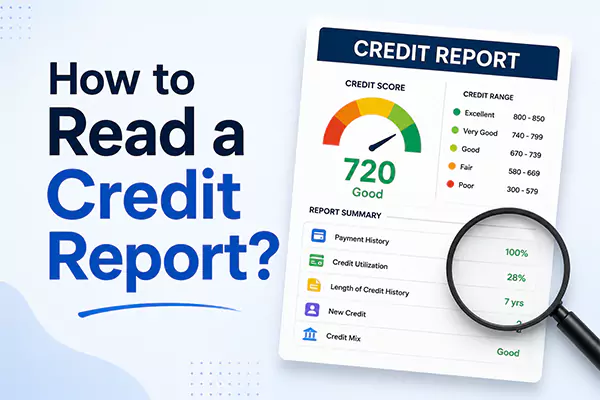
Your credit score is the overview of your credit history. It includes debts you owe and your payment history. Let’s understand what is included in the credit report.
This section includes your name, address, contact number, Social Security Number, and other relevant information. So, it’s your responsibility to cross-check your details for accuracy.
It includes details related to bankruptcy, foreclosures, repossessions, and legal judgments against you. For example, if you have a case for financial matters, it is shown in your credit report. Bankruptcies can have a record for up to seven to ten years. This also affects your credit score.
Your report also includes the number of credit accounts you have. Like credit cards, outstanding loans, and lines of credit. It also has two subsections that show accounts in good and bad standing. So, you should review all accounts carefully and check that they all belong to you.
Your credit report also has detailed information about your payment history. This section also has subsections that state whether you are current on your payments or whether you complete your payments. For example, 30, 60, 90, or 120 days.
Every time a company, employer, or potential lender checks your credit score or report, it is also mentioned as “inquiries” on your report. It shows information that was made on your behalf.
This also includes every business information, date, contact number, and other data used to create your credit report.
If you don’t pay the interest amount or change basis points for 180 days, it is shown in the collections section. It means the debt you owe is also reported in your credit report. In case you disagree with the collection mentioned here, you can claim the reporting agency directly within 30 days.
A credit report is the information about your borrowing and repayment history with interest. It includes all your credit accounts, personal information, debt you owe, and other data related to finances, like your bank statement.
If you know how to read a credit report, you can easily calculate your borrowing. This helps you prevent tax liability and unnecessary overpayments.
You can also make informed decisions for your life and related to finances. So, it indicates that your credit report plays a vital role in your business and personal life.
Also Read: Invoice Payment: What It Is, Its Importance, and Payment Methods
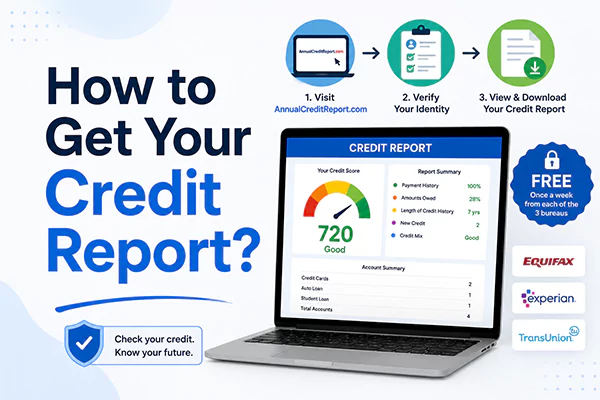
You can get your full credit report through AnnualCreditReport.com, Equifax, Experian, and TransUnion.
Let’s take a look at the three major credit bureaus!
You should also remember that your account history and scores may vary among the three credit agencies. Annual Credit Report allows you to get a free copy of your report once per week.
Accountance Tip: Many other websites offer free credit report services. But some websites are scams. So, always get your credit score report from the official credit agencies.
You can send your complaint to official agencies and explain your issues to fix errors in your credit report.
Here are the steps on how to fix errors in your credit report. This also helps you understand how to read a credit report.
Step 1: Get your credit report from the credit reporting agencies.
Step 2: Second, review the accounts, information, and payment history.
Step 3: If you find any errors or misleading information, you can contact credit bureaus online. According to the Consumer Financial Protection Bureau, you can mail them by explaining your issue.
Step 4: Request a return receipt so that your information is corrected and removed without delays.
Step 5: Monitor your credit report regularly so that your information is corrected. Inaccurate information must be removed within 30 days, usually.
Landlords, employers, bankers, and creditors want your credit report to know your financial status. If your credit score is good, people can easily approve your
You should check your credit report if you suspect fraud, before making a purchase, or to build your score.
Let’s see why how to read your credit report is necessary.
If you suspect that someone is opening accounts in your name, you can check your report to confirm. When you find something wrong, you can file a dispute. You can also freeze your credit until the issue is resolved.
You should check your credit score before a major purchase. For example, if you plan to take a personal or mortgage loan, you should review your credit score report.
When you want to build your credit score, you should keep an eye on the information added to your report. It helps you move your score in the right direction.
Even if you don’t purchase or suspect anything, you should read your credit report every year. It will help you prevent fraud and have a routine check on your financial status.
Also Read: What is a Bonus Tax Rate, How are They Taxed, and How to Reduce Bonus Tax Rate?
This indicates that understanding how to read a credit report is important for making informed decisions. If you check your credit score or other information regularly, it helps prevent financial risk.
In case you feel confused in cross checking your accounts, you can also hire financial experts to help you. They can provide an overview of your credit accounts and payment history, along with financial tips.
Always remember to regularly check your report for better clarity and long-term goals.
You can review your personal information, credit accounts, inquiries, payment history, collections, and public records to read a credit report. It helps you check your financial status.
You can report your issue or problem to the three official credit agencies or the Annual Credit Report.
Late payments can downgrade your credit score because payment history makes up 35% of the FICO score. So, you should repay your loan on time.
Yes, a FICO score is a real credit score. Bankers, creditors, companies, and landlords only approve a FICO score as an actual credit score.
Sources:
- Learn about your credit report and how to get a copy – USA.GOV
- Understanding Your Credit – Federal Trade Commission Consumer Advice