

There’s no fixed number of credit cards that everyone should have. The appropriate amount is based on your financial needs, credit history, your ability to make repayments, and your spending habits.
One person may prefer a credit card for daily expenses, but another person may want multiple credit cards for different purposes. Keeping track of several accounts can be hard to manage if you forget to keep track of the balances, payment dates, fees, or interest charges.
So, how many credit cards should I have? The answer is the amount you can afford to pay and stick to while not crippling your finances and avoiding late payment penalties. Let’s understand more about it in this blog!
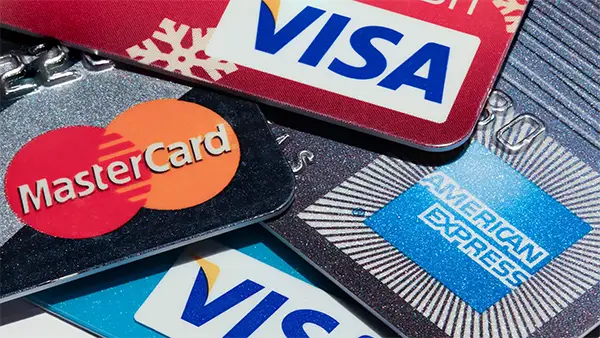
If you use your credit cards responsibly and there’s a clear purpose for every one of them, you might want to have more than one.
For example, one card could have cashback on regular spending, and another card could have travel rewards or a promotional balance transfer offer. You can also have more than one card that could potentially benefit your credit utilization ratio.
But with every additional credit comes additional responsibility. Each card has its own balance, payments, and interest rate and may even have its own fees.
So, it’s not just a matter of whether using multiple credit cards is good or bad. It’s whether you can manage the extra credit without falling into debt that you’re not able to afford.
The optimal number you should have will be based on your finances and your credit management skills.
Some people can have just one credit card. A single card can be used for everyday purchases, planned expenses, or emergencies. It can also be a chance to build up a positive credit history.
If you can meet the monthly payments and do not need to borrow the remaining funds, you may not have a strong need to open extra credit accounts.
Having two credit cards can provide additional flexibility. For example, you could designate one for purchasing daily items and a different one for cashing in on rewards, or as an emergency payment option.
A second card could even boost your available credit. But if you’re already doing your best to be responsible with your current credit card, you should only look into another if you want.
It might be possible to manage three credit cards if you’re comfortable keeping lots of cards separate.
You might have various cards for various reasons, for instance, for regular transactions, rewards, and travel. But there are three bills to pay, three interest rates, three payment dates, and account terms too. If this becomes a challenge, the extra cards can be a hindrance rather than a help.
It is not a bad idea to have four or more credit cards. Others will find that they can control several credit accounts and can be used to finance various activities. The more accounts you have, though, the greater the need to pay attention to your spending and payment commitments.
If it’s decided that you need to open additional accounts due to regularly filling up your existing ones, it could be a sign of spending or debt problems rather than the need for more credit.
Yes, having too many credit cards can impact your credit in a variety of ways.
Credit utilization is one of the important factors; this means that you can use the revolving credit that you have and compare it with the total amount of credit that you have.
For example, if you have two cards with a total credit limit of $10,000 and have a total outstanding balance of $20,000. The total utilization would be 20%.
If you open another card and are given an additional $5,000 credit limit, and your balances stay at $2,000, your utilization drops to around 13.3%.
Some credit scoring systems may have a positive utilization ratio. But having new credit opened just to extend your credit limit can be a bad idea if it leads you to overspend.
There are other factors that can impact your credit score as well, such as your history of paying bills, the length of your credit history, and any recent applications for credit.
So, it isn’t as if more cards equal a higher credit score.
It’s possible to have a number of advantages with having multiple credit cards, but it also comes with some financial risks that can occur with multiple credit cards. Let’s check them out here:
| Advantages | Disadvantages |
|---|---|
| Higher Available Credit: You may have more available credit due to a second or third credit card. There’s a possibility that you have more available credit because of a second or third card. This can lower your credit utilisation if you don’t increase your spending. | Higher Risk of Overspending: Having access to several credit limits may make it easier to spend beyond your budget. Note that having a total credit limit is not an indication of having more income. |
| Different Rewards: Cards may have varying rewards such as cash back, points, or travel benefits. Using the appropriate card for a particular purchase may allow you to make better use of these benefits. Rewards, however, should not entice you to spend more than you usually would. | More Payments to Track: The payment due date, minimum payment, and balance could be different for each account. Failure to make any payment may incur penalties and have a negative impact on credit. |
| Backup Payment Option: With another card, you can pay in the event that your main card is lost, stolen, blocked, or temporarily unavailable. | Interest Charges: If you are paying interest on your monthly balances, the rewards or cash back may not outweigh the interest charges. |
| Balance Transfer Opportunities: There are certain credit cards that provide promotional balance transfer terms. If you’re eligible and the terms are favorable, you may be able to use and manage the high-interest cards with good opportunities. | Late Payment Fees: Some cards require an annual fee or fees of another kind. You may have higher costs of maintaining credit with several cards. |
| Flexible Financial Options: Planned purchases or emergencies could demand additional flexibility, which can be provided by multiple cards. The flexibility is only helpful if the borrowed money doesn’t cause you to surpass your repayment power. | More Credit Applications: Multiple hard inquiries can impact your credit profile and may be the result of opening up several new accounts. |
It’s best to apply for a new credit card when it makes sense for your financial situation, not on a set schedule.
A lender may also do a hard inquiry on your credit report when you apply for a credit card. Repeated applications in a short amount of time can cause you to look like you’re trying to get even more credit and impact your credit profile.
Before applying, you must consider:
If you find it hard to manage your current cards and assets and liabilities, adding another account could not be the ideal choice.
Unfortunately, a new credit card can be detrimental when it is being purchased to address a spending or debt issue.
For example, if you are constantly making use of the credit limits on your current credit card and you take out a new card just to have more spending power, you may have even more to deal with.
Likewise, the rewards won’t be worth the interest you can accumulate if the interest rate is higher than the rewards you accrue.
Before applying for another card, consider the following:
Is it a card I can use that’s adding value to my finances, or do I need more than I have?
If the second is the case, then you will be better off getting to grips with your debt and your spending habits than opening another account.
There’s no definite number of credit cards that’s too many. Some individuals can easily cope with two or three cards. Others might be at ease with four or more accounts.
When it becomes a problem, it is when you are unable to handle your credit responsibly.
These are some warning signs that tell you have too many unnecessary credit cards:
If you have more than a few of these, you might not need to add more cards.
Even though it might be a good idea to have several credit cards, if you have multiple cards, you’ll want to ensure that you don’t deal with unnecessary charges and missed payments, which is something that good organization can help to avoid.
So, how many credit cards should I have? No one has a definite number that is correct for everyone. The amount you should be able to afford, your credit history, and the way you manage your finances. Some cards provide higher credit limits, rewards, and even another card to pay with, but they also demand more responsibility. When thinking about applying for another card, ask yourself if it’s more money. Select just as much credit as you can afford and can pay back.
Read Next: What is Electronic Payment? – How It Works, Types, Tips for Making E-Payment Safely
The right travel rewards card for you will depend on your travel spending, preferences, fees, and rewards and benefits. If you responsibly maintain the account and pay your balances without taking on debt that you can’t afford, a travel card may be of some benefit.
It’s not always a bad idea to apply for a credit card. When you apply for a card, a card issuer can do a hard pull on your credit that will impact your credit profile. Making several applications within a short period may have a greater impact.
Rewards, travel, cashback, secured, and other revolving credit cards are examples of credit card accounts that can impact your credit history. Your credit profile may be affected by payment history, credit utilization, length of credit history, and recent credit applications. It is not about the type of card, but how you use the card.