

A digital wallet can be used to store your payment cards and other essentials without using a physical wallet. Using a compatible phone, smartwatch, or other device, pay in stores, shop online, send money, and access digital tickets, boarding passes, and loyalty cards.
With the increased prevalence of digital payments, it is important to understand what digital wallets are and whether they are suitable for your everyday transactions.
Key Takeaways:
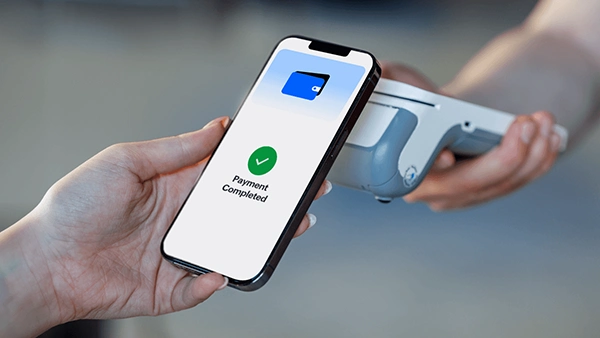
A digital wallet is an electronic application or service used to hold and utilize payment details on a smartphone, smartwatch, tablet, computer, or another gadget.
You can add any card to your virtual wallet and make electronic payments at participating merchants simply by holding your device. Understanding how these transactions affect your finances can also be easier when you know the meaning of liability, particularly when considering responsibilities associated with payments and accounts.
Additionally, there are virtual wallets that can store other digital items such as
Some popular digital wallet services include Apple Wallet, Google Wallet, Samsung Wallet, PayPal, and Venmo. The features offered may be subject to the providers, devices, card issuers, and countries.
Now that you know what is digital wallet, let’s go ahead and see how it works.
The first step in using a virtual wallet involves linking a qualifying debit or credit card to the wallet application. Your card might have to be verified with your bank or card provider before you can use it.
When you add the card to your account, you will be able to choose it at checkout. You may be required to sign the transaction with a fingerprint, a passcode, or facial recognition, depending on the wallet and device.
Digital wallets employ a few technologies to enable payments.
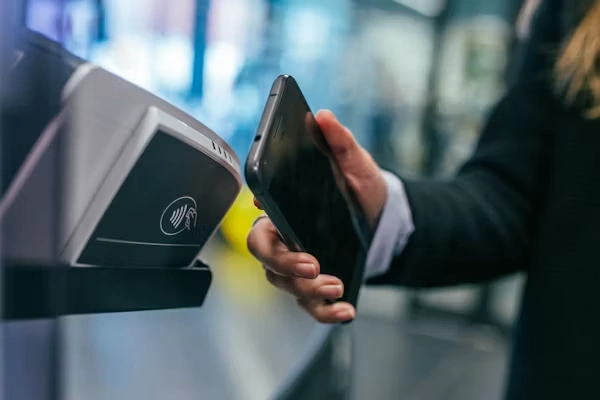
In Near Field Communication (NFC), two NFC-enabled devices can communicate with each other if they are in close proximity.
With a contactless payment, the user typically places their phone or smartwatch in contact with a payment terminal that is compatible with contactless technology. The transaction is then processed in the payment network. The transaction is then processed in the payment network, and businesses can consider such transaction activity alongside broader cash flow statements when monitoring incoming and outgoing funds.
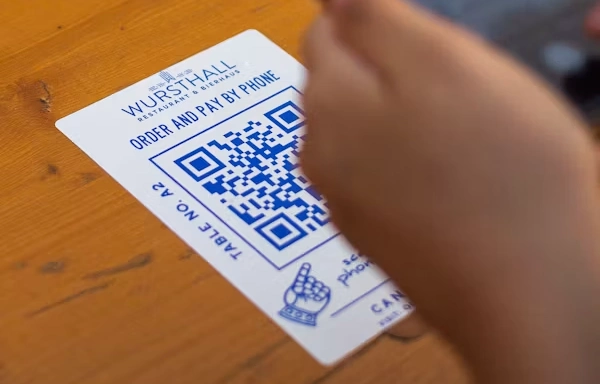
Some digital wallets utilize QR codes to start payments. You can scan the merchant’s QR code with your phone or show the QR code created by your wallet to the merchant to scan.
It will depend on the wallet and payment system, so the exact process will vary.
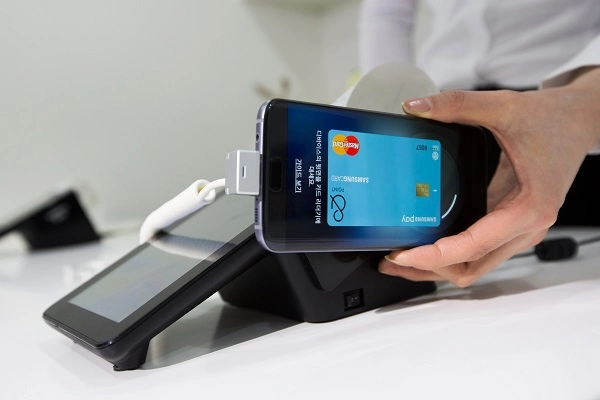
Magnetic Secure Transmission (MST) is a technology that allows the transfer of payment data to some compatible payment terminals via magnetic signals.
While not all devices and wallets support MST, NFC has become a more prevalent technology for contactless payments.
There are multiple different scenarios where you can use a virtual wallet, but it depends on your wallet, device, card, or merchant.
Digital wallets can facilitate contactless transactions at stores, restaurants, gas stations, and other businesses that accept contactless payments.
Look for the contactless payment symbol on the payment terminal. Choose your desired card from your wallet and, if it’s necessary, authenticate it and press your device against the terminal.
There’s no need to physically give the cashier your card or type in your card number.
There are numerous websites and applications that will enable you to pick a digital wallet while making a purchase.
You can choose your wallet and authorize payment without having to enter your card number, expiration date, and security code each time you shop.
This can be particularly convenient for online shopping, food delivery, transportation, and other services.
Some banks and ATMs are able to complete cardless transactions via digital wallets.
If your debit card and ATM are able to do this, you can choose the card from your wallet and just get close to the card reader at the ATM.
This feature is not available with all banks, so it’s best to check with your bank before relying on this feature.
Not every e-wallet is similar. There are a number of general categories through which they can be organized.
Security is one of the most critical factors to take into account when selecting a payment option. Digital wallets can offer several levels of security, such as encryption and tokenization, along with device authentication.
Your actual credit card number might not be explicitly transmitted to the merchant when you are making a payment; rather, the digital wallet can carry a digital token or credential that can represent your payment details.
That means if a merchant is given information that relates to the transaction, it doesn’t necessarily have your actual card number.
Digital wallets also ask to confirm the transactions via:
But there is no method of payment that is entirely risk-free; however, it’s always best to safeguard your device, ensure strong authentication, and check your account activity regularly.
Digital wallets are secure, but it is more important to talk about personal device and account usage safety for a safe digital transaction. Let’s check out the tips here:
Digital wallets are super convenient to use in the modern cashless world, but they also have some drawbacks, like security issues. Let’s discuss it here:
| Pros | Cons |
|---|---|
| Convenience: Multiple payment cards or other electronic products can be stored on a single device. | Limited Acceptance: Not all merchants, websites, or ATMs will accept all digital wallets. A physical card or other payment option might still be required. |
| Faster Checkout: Contactless payments can help to speed up the checkout process, as no physical card is required to be swiped or inserted. | Device Dependence: If by chance your phone is lost, damaged, or the battery dies, you might temporarily be unable to do transactions. |
| Added Security: Digital transactions can be further safeguarded by features like tokenization, encryption, and device authentication. | Compatibility Issues: Not all cards, banks, devices, or wallets are compatible. Availability may vary based on provider and location. |
| Easier Online Payments: An e-wallet can save you from inputting payment card information each time you purchase something online, instead letting you input it just one time. | |
| Less Physical Clutter: You might be able to store a ton of cards, tickets, and loyalty cards digitally and not in your purse. |
An e-wallet is more than a digital version of a physical wallet. It can securely store payment cards, allow contactless payments, make online payments, and manage digital items like tickets and loyalty cards.
Technologies like NFC and QR codes can enable payments to happen, and security features like encryption and authentication can help keep payment information secure.
Digital wallets are not accepted by all merchants; however, access to them is dependent upon the device, bank, card issuer, and merchant.
A digital wallet is an online payment app that keeps payment cards and helps to make purchases in stores, online, and in apps. Also, it can store tickets, gift cards, and loyalty cards.
Digital wallets can offer additional security capabilities such as tokenization, encryption, and device authentication. Security is, however, dependent on the wallet, the device, the payment network, and the usage of the service.
An eligible debit or credit card is required for digital wallets in order to make a card-based payment. Depending on the app, some also offer an in-built wallet to store money for transactions.
Sources:
- Is your digital wallet safe? Everything to know about mobile payments – By Citizens Bank
- What is a digital wallet, and how does it work? – By Capital One