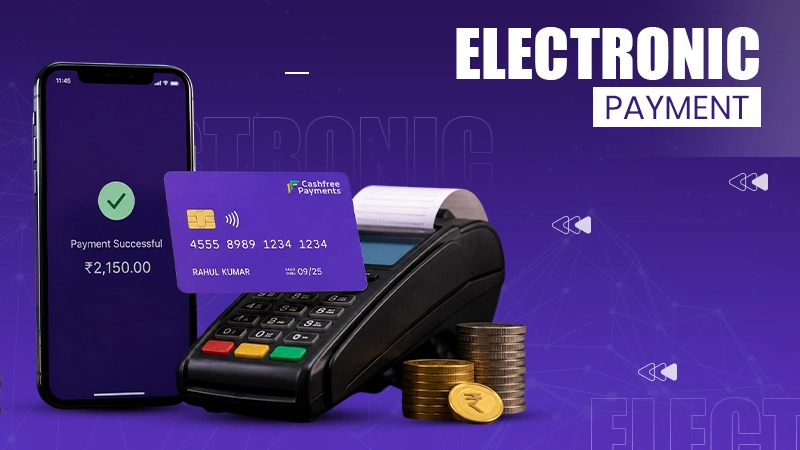


Payments are increasingly becoming electronic and online. Digital payment options like credit cards, mobile wallets, and bank transfers are quicker, safer, and easier than cash. Knowing how an electronic payment system works can help businesses and consumers select the right electronic payment system.
This guide introduces you to electronic payments, their benefits, and drawbacks. So, let’s get into it!
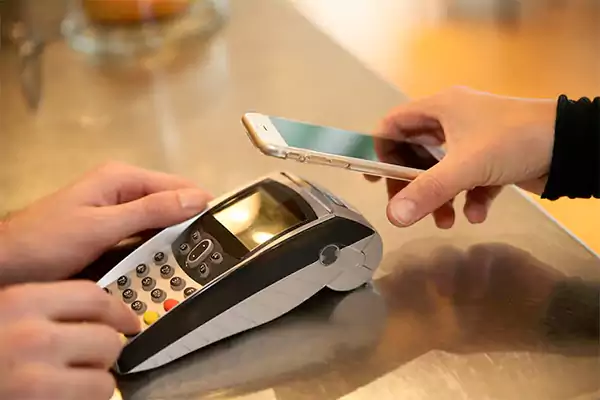
Electronic payment is the transfer of money from a payer to a payee without physical cash or paper checks, using a digital format. It can be called e-payment or epayment; it is a method for individuals and enterprises to make transactions using cards, online banking, digital wallets, mobile applications, and more.
When an electronic payment is made, it is processed via a secure system that validates payment information, approves the payment, and transfers funds among financial institutions.
These days, everything from online shopping to bills, subscriptions, and business transfers all happens electronically, and its use is a must.
Key features of electronic payments:
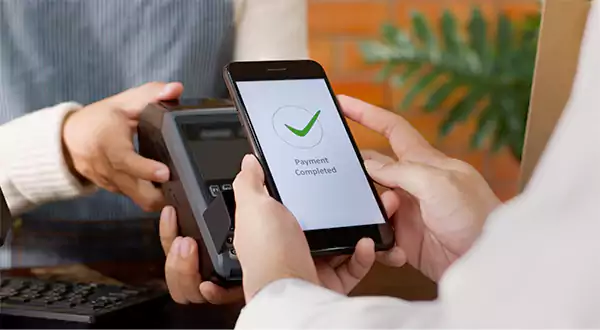
An electronic payment system functions through the secure transfer of payment data between the customer, merchant, payment processor, and banks in order to facilitate a payment. This takes several systems behind the scenes to ensure that the payment is authorized and secured, despite occurring within seconds.
Here’s how it generally works:
During online purchases, at checkout, select an electronic payment method. This may include:
The payment details are then entered or could be retrieved automatically from a saved payment method.
Payment information is encrypted before it is transmitted from the customer’s device. Encryption ensures sensitive data is transformed into a secure code that cannot be accessed by unauthorized users, thus securing financial information.
The payment data is sent in an encrypted form via a payment portal. This technology enables the link between the merchant’s website and the customer’s bank.
The payment gateway also passes the transaction request on for verification to prevent the leakage of sensitive information.
The bank or card issuer the customer uses for this transaction reviews the transaction by checking the following:
If all is correct, the transaction is approved.
The merchant gets an approval message once the payment is approved. This enables the order to be fulfilled or service to be given in real time.
Once approved, the payment will be deposited in the merchant’s account from the customer’s bank. Depending on the payment method, settlement can happen immediately or in 1-3 business days.
Check Out: 60 Best Small Business Ideas in 2026: How to Overcome Challenges in Small Businesses?
There are multiple payment methods available with electronic payment systems, tailored for various customers’ needs and business requirements. All of these allow for digital transactions, but they do vary in the way they process transactions, how quickly they respond, how easy it is to use, and how secure they are.
Credit cards enable the customer to buy goods and services with a line of credit extended by the credit card company. Users repay the amount later on their billing cycle; they do not pay it upfront.
They are used a great deal for the following:
Additional features are cashback, trips, fraud protection, and more.
Debit cards are used to withdraw cash from the user’s bank account, compared to credit cards. The purchases are subject to the amount of money in the account, which can help users avoid debt and offer a convenient digital payment option.
Debit cards are commonly used for both online and in-store transactions.
Banks transfer money electronically from one bank to another. They’re often employed for:
Many banks now have real-time transfers, which means almost instant money transfers, too.
Digital wallets securely hold payment information on smartphones or computers and enable customers to purchase without having to type in details a lot more frequently.
Many wallets allow contactless payments in stores and peer-to-peer transfers.
Benefits are:
Mobile payments allow consumers to pay via their smartphones or other wearables via QR code or NFC.
Payment methods are becoming more popular because they do not require people to have cards or cash.
Buy Now, Pay Later services enable customers to make payments for their purchases in a staggered manner over time. This payment method is now trending in e-commerce, as it is more affordable to shop and helps boost conversions for the merchants.
A number of companies are now taking cryptocurrencies as an electronic payment alternative. These payments are made using blockchain technology, which is a way to make a payment without the need for a bank intermediary.
Despite the increasing uptake of cryptocurrencies, they are not as common as other methods.
While electronic payments are much faster and more convenient, there are a couple of drawbacks you must know about. Let’s understand here.
| Advantages | Disadvantages |
|---|---|
| Customers and businesses do not have to wait seconds to have their payment processed. | An internet connection is a must for electronic devices. |
| You can pay anywhere, anytime, with any device. | If these security practices are not implemented, users may be at risk of phishing, hacking, and/or online fraud. |
| Sensitive information is protected through tokenization and encryption. | Payment providers can impose processing fees, which add to the expenses of businesses. |
| All transactions are processed automatically. | Payment processing may be temporarily delayed or interrupted due to technical problems. |
| Electronic payments are used to facilitate safe and smooth transactions via e-commerce sites and mobile apps. | Digital transactions generate an electronic record that can be a concern regarding data privacy. |
| Simple for businesses to receive payments from customers in various countries. | Customers can cause payment disputes and chargebacks for merchants. |
| Lessens the need to deal with real cases and documents, minimizing administrative expenses. | It may take some time for new users to grasp. |
| Smooth checkout process enhances customer satisfaction. | Requires smartphone, computer, or other compatible device. |
There are different ways of transferring money, such as with electronic payment or conventional payment systems, and they are different in how they are processed and handled.
| Electronic Payment | Traditional Payment |
|---|---|
| Payments are made electronically via cards, bank transfers, mobile wallets, or payment apps. | Cash, checks, or money orders are accepted for transactions. |
| It typically only takes a couple of minutes or seconds to get paid. | There are situations where physical presence and manual payment are necessary. |
| Users can pay whenever and wherever they have an internet connection. | It can take longer for settlement, particularly with check payments. |
| Each transaction is automatically tracked, making it simple to keep track of finances. | Digital records are not created when cash is used. |
| Payment information is protected by advanced security measures like multi-factor authentication and encryption. | Physical cash and checks are more susceptible to loss, theft, or damage. |
| It is commonly used to make online purchases, pay bills, send bills, and make international payments. | It’s also widely adopted for in-person transactions and venues with no electronic payment capabilities. |
An e-commerce payment system is a digital payment method that enables online store customers to make secure payments for goods and services. It links consumers, businesses, payment gateways, and financial institutions together to facilitate transactions in a fast and secure way.
E-commerce payment is the most critical aspect of an e-commerce business. Without a reliable payment system, customers won’t be able to make purchases, and it will have a negative impact on the smooth and secure online shopping experience.
A standard e-commerce payment system allows for a number of different payment options, such as:
With several payment methods, businesses can boost customer satisfaction, curb cart abandonment, and drive higher sales.
This is the working system of e-commerce payment:
There are several layers of security, like encryption and tokenization, within electronic payment systems that help to protect financial data and minimize the opportunity for fraud.
Electronic payments are typically safe, but there are a number of tips that will help to minimize the risk of fraud and unauthorized payments. These are easy steps that can help to guard the financial information:
These measures will enhance the security of your electronic payment experience.
Electronic payment has turned into a crucial part of present-day trade, allowing people and businesses to transmit and receive cash promptly, safely, and easily. Electronic payment systems offer a variety of applications, such as online shopping, bill payments, and international transactions, and they streamline the payment process, boost efficiency, and enhance financial management. Users should be mindful of security concerns, but by employing safe payment methods, digital transactions can be safeguarded.
With the advent of technology, electronic payments will become increasingly integral to the future of international trade.
Read Next: Profit and Loss Statement: Its Importance, How It Works, and Errors to Avoid
Electronic payment is the transfer of money electronically between people or businesses rather than with cash or paper checks, such as credit cards, debit cards, bank transfer, digital wallet, or mobile payment apps.
The major benefits of electronic payment are that it provides for faster transactions, improved security, convenience, and automatic record keeping.
The payment is made electronically via banking networks or payment systems, and cash or paper checks are used in traditional payments. Electronic payments are much faster, safer, and more convenient than other methods.