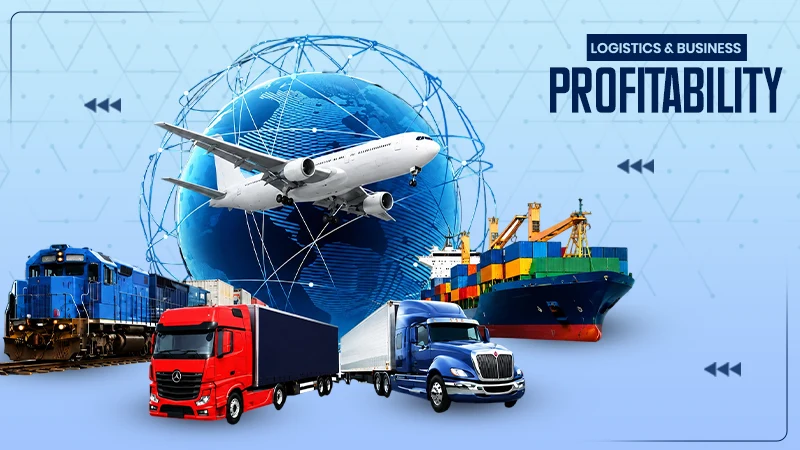


Logistics is not a secondary function anymore. It’s placed right on top of your margin. Every delay, every shipment error shows up on your income statement whether you track it or not.
Many businesses treat logistics as an expense that must be minimized. That approach misses the point completely. Logistics is precisely where efficiency transforms into cash. Once that is done, working capital is reduced, waste is minimized, and customer relationships are protected.
This article highlights where the money actually leaks out of your supply chain and what you can do to stop it.
Key Takeaways
- If your logistics costs are rising faster than your revenue, the problem is rarely the market. It is usually the process
- Profit leakage in logistics tends to hide in a handful of predictable places. Once you know where to look, most of it is fixable without a major capital investment
- Of all the levers available, route planning delivers the quickest return. Smarter routing reduces fuel spend, minimizes overtime, and gets more deliveries done with the same fleet
- Once that visibility exists, decisions get easier. You know which routes to cut, which vendors to renegotiate, and where to add capacity
U.S business logistics costs inflated by 5.4% in 2026, reaching $2.58 trillion, or 8.8% of national GDP, according to the research found in the 2025 State of Logistics Report from CSCMP and Kearney.
That is not a one-year spike. Costs have stayed above 8.5% of GDP since the pandemic, up from a pre-pandemic range closer to 7.4% to 7.8%.
Fuel, labor, and warehousing are the usual suspects. But a large share of that increase is driven by inefficiency that companies have simply absorbed instead of fixing.
Route planning built around guesswork instead of data. Warehouses holding excess safety stock because nobody trusts the delivery timeline. Manual dispatching that adds hours to every order.
If your logistics costs are rising faster than your revenue, the problem is rarely the market. It is usually the process.
Profit leakage in logistics tends to hide in a handful of predictable places. Once you know where to look, most of it is fixable without a major capital investment.
Each of these looks small in isolation. Stacked together across a full year of operations, they add up to real margin loss.

Of all the levers available, route planning delivers the quickest return. Smarter routing reduces fuel spend, minimizes overtime, and gets more deliveries done with the same fleet.
This is where tools matter. A dispatcher manually determining twenty stops on a map will never match what software can calculate in just a few seconds.
Businesses that want to begin without upfront cost can utilize a free delivery planner to map efficient routes, cut drive time, and lower fuel consumption without waiting on a huge software overhaul.
The impact compounds. Shorter routes mean less vehicle wear. Less wear means lower maintenance spend and longer asset life. That is margin recovered from a process most companies had accepted as fixed.
Did You Know?
Modern software and machine learning models analyze weather, traffic, and driver hours simultaneously. This AI optimization cuts fuel consumption by a significant amount.
Logistics profitability is not only about the road. It starts in the warehouse.
Companies with unreliable delivery performance usually overcorrect by stockpiling inventory. That addition stays on the balance sheet as an asset, but it behaves like a liability, thereby tying up cash, requiring additional storage space, and increasing the risk of depreciation of the quality of the product over time.
Tightening delivery reliability lets you carry less buffer stock. That single change frees up capital that can be redirected toward operations, hiring, or debt reduction. It also shortens the cash conversion cycle, since goods move from warehouse to customer faster.
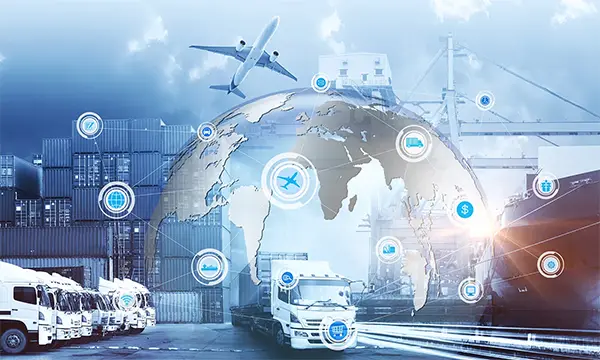
You cannot fix what you cannot see. Logistics teams that lack real-time visibility into fleet location, delivery status, and cost per mile are making decisions on outdated assumptions.
Basic tracking and reporting tools provide management with a clear view of which routes, drivers, and time windows are actually profitable. This is not only about buying an expensive enterprise system.
Even simple dashboards that gather data from existing delivery software tend to expose which processes of the operation are quietly costing money.
Once that visibility exists, decisions get easier. You know which routes to cut, which vendors to renegotiate, and where to add capacity.
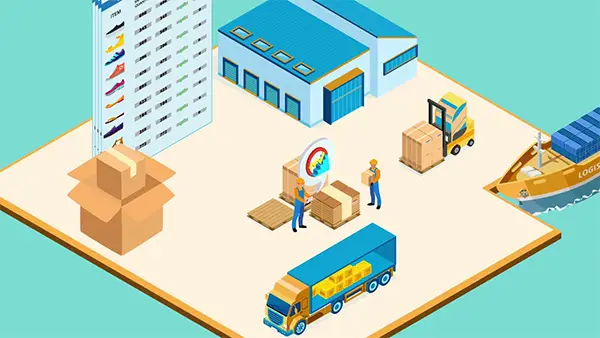
The businesses that improve profitability through logistics do three things consistently. They consider cost per delivery, not just total logistics expenditure. They also treat routing and scheduling as a necessary function, not an afterthought. And they invest in small process improvements before chasing large capital projects.
Logistics will keep getting more expensive across the industry. That trend is not going to reverse. The businesses that protect their margins are the ones that stop treating logistics as overhead and start treating it as a controllable input to profit.
Begin with what can be measured this month. Route efficiency, delivery accuracy, and inventory turnover are all fixable without a comprehensive system rollout. Small, consistent improvements in every area add up to a meaningful and healthier basepoint.
The high costs are due to several structural market factors such as fuel and labor price instability, and unaddressed problems such as manual dispatch processes and poor asset usage.
High reliability in delivery reduces the need for large safety stock, thus allowing the company to free cash reserves and shorten the duration of cash conversion cycles.
This involves abandoning manual scheduling and moving to the use of routing systems, which directly eliminates backtracking and driving a lot.
No, as good results can be achieved with minor, consistent improvements in processes such as using a free delivery planner and implementing simple monitoring dashboards for costs.