


A proxy statement is an important document for public companies that is used to inform shareholders of these companies about upcoming special or annual meetings. It is designed to give investors details on major decisions such as who will be on the board, what executives will be paid, and other issues that are brought before the shareholders for their approval.
This statement gives shareholders the information necessary to make informed voting decisions, even if they are not attending a meeting in person, while also supporting financial oversight alongside professional CFO services. Let’s learn more about it and its use in this blog!
Public companies use a proxy statement to communicate to shareholders prior to a shareholder meeting about matters that must be voted on. It helps investors to make informed votes on company matters before choosing to invest.
A proxy statement is a means of communication between the management of a company and its shareholders. It informs the voters about upcoming issues that impact the organization.
A company usually provides the document prior to:
It is crucial because it provides shareholders with the information that they need to make informed decisions regarding what they would like to see happen in a company’s future. It provides visibility, facilitates the rights of shareholders, and enables investors to assess management and decision-making.
The value of proxy statements has many factors, including:
A good statement creates investor confidence and promotes long-term investor engagement.
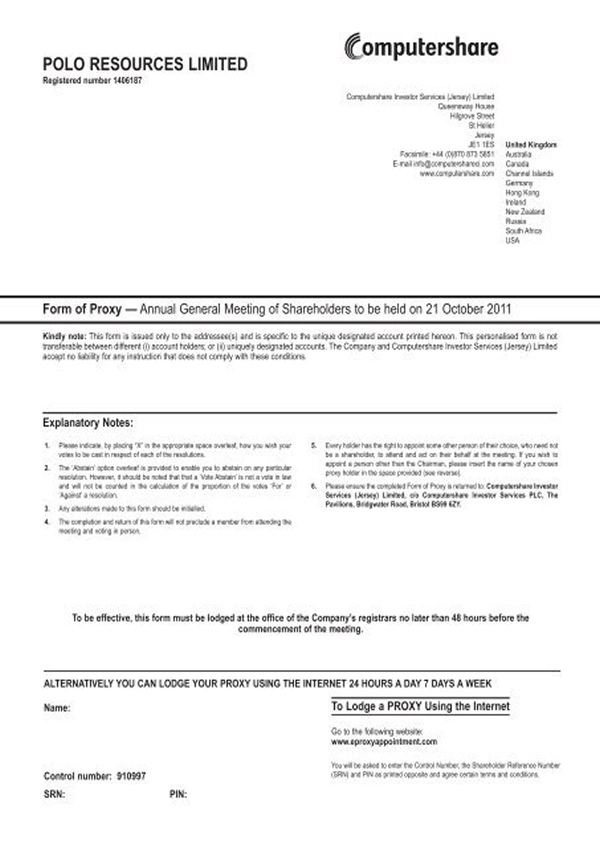
It gives shareholders voting information ahead of a company meeting so that they can vote or designate a proxy on their behalf.
The typical steps of the process are:
A proxy gives the shareholders the ability to put in their views who are unable to attend the meeting.
The main types are definitive proxy statements (DEF 14A) and preliminary proxy statements (PRE 14A). A preliminary one may be sent out for review in certain circumstances, and a definitive one is sent out at the end when the final information on voting is available.
A definitive proxy statement is the last statement issued to shareholders prior to a vote.
Companies publish the voting information on the DEF 14A filing.
A preliminary proxy statement is a version of the final proxy statement that is filed before.
It may be needed for some issues, such as:
Companies submit preliminary filings to the SEC before finalizing the filing.
Also Read: Standard Deduction vs Itemized Deductions: Which One is Better For You?
The SEC’s EDGAR database or investor relations page on a company’s website or on brokerage websites provides access to a proxy statement. Public companies provide these documents to shareholders for them to examine important corporate information.
These can typically be accessed via:
These resources enable shareholders to review the company’s official paperwork prior to voting.
It includes crucial information regarding shareholder meetings, board elections, compensation for company officers, corporate governance, and shareholder approval. This information enables shareholders to gain insight into what they are voting on and why it is important.
The common components are:
Shareholder Meeting Details:
Board of Directors Details:
Executive Compensation:
Shareholder Proposals:
Auditor Information:
Corporate Governance Policies:
The three main problems are complex language, a lot of information, and problems comprehending voting procedures. Companies may employ a clearer layout and digital resources to help with the accessibility of proxy documents.
These challenges are:
Many companies spend more and more time working on making them more accessible and easier to navigate.
Proxy statements play a crucial role in promoting corporate governance and fostering transparency. They can help in determining leadership, compensation, and crucial actions of the company.
These statements play a crucial role in striking a balance between company management and the shareholders’ interests by providing investors with essential information.
They support:
These are still a crucial part of shareholders’ relations and corporate accountability in a world of ever-changing businesses.
A proxy statement is what gives information about the matters a shareholder has to vote on, and an annual report is the one that provides information about a company’s business activities and financial performance. Both are valid documents, but for different purposes.
| Basis | Proxy Statement | Annual Report |
|---|---|---|
| Purpose | To give shareholders information to consider when deciding on company matters. | It gives an overview of the company’s performance and health from a financial standpoint. |
| Focus | Attention to the voting rights of shareholders and corporate governance. | Aims at business performances, outcomes, and successes. |
| Includes | Voting proposals, board information, executive compensation, and shareholder meeting details. | Financial statements, management discussion, company highlights, and future outlook. |
| Used By | Those who have shares in the company and are required to vote on important matters. | Shareholders, investors, and stakeholders who are looking at the company’s performance. |
A proxy statement is an integral part of the process that enables shareholders to be informed and active in critical company decisions. It offers investors information on leadership and compensation of the executive officers, shareholders’ proposals, and other matters that must be approved.
These statements enhance transparency and communication among companies and shareholders, leading to improved decision-making and corporate governance. We are sure you must have understood all the nitty-gritty of this document from this blog.
Read Next: Limited Liability Partnership: What Is It and How Is It Formed Legally?
A public company sends a proxy statement to its shareholders prior to the company meeting that explains issues that are being placed before them for a vote.
No, a proxy statement and a 10-K are in fact different. A proxy statement tells shareholders what was being voted on, whereas a 10-K yields a lot of information about a company’s operations and performance.
Public companies that must obtain shareholder approval usually will have to submit it to the SEC before the holding of such meetings.
A proxy document is a statement that is sent to shareholders ahead of a company meeting. It helps to inform shareholders on the issues that need a vote and helps them decide thoroughly.
A company’s investor relations page or the SEC’s EDGAR database is a good place to find it.
Proxy documents can help shareholders vote on issues such as electing new directors, approving executive compensation, or other company decisions.
Sources:
The Ideal Proxy Statement: By Stanford Business
Proxy Statement: By SEC Gov