


Tracking credit card debt gets 10x more difficult when the interest payments keep adding up. In cases like these, a credit card balance transfer is incredibly helpful. It not only lets you transfer your outstanding debt from one card to another but also reduces the total interest paid.
Balance transfers make payments easier and provide more time to pay off debt. The downside is that it charges fees and has eligibility requirements and repayment conditions.
In this article, we will cover everything about credit card balance transfers, from how they work to when you should choose them. So let’s get into it!
- What is a Credit Card Balance Transfer?
- How Does Transferring a Balance from a Credit Card Work?
- How to Transfer a Balance from a Credit Card?
- When Should You Choose Credit Card Balance Transfer?
- Things to Note Before Credit Card Balance Transfer
- Does the Credit Card Balance Transfer Impact Your Credit Score?
- Benefits and Drawbacks of Credit Card Balance Transfer
- Final Words
- FAQs
What is a Credit Card Balance Transfer?

A credit card balance transfer is a way to transfer a balance from one credit card to another. It is generally used to transfer high-interest debt to a credit card that has a lower interest rate or a promotional rate.
For example, you have a card with a $5,000 balance that charges 24% APR, and you found another one with a 0% introductory credit card APR for a year. Now, you can transfer the balance to take advantage of a lower interest rate and repay the debt during the promotional period to lower interest costs.
Many credit card companies offer the ability to merge balances from different credit cards into a single account, depending on your limit and eligibility. This simplifies the process, as you will only need to handle a single account instead of many.
However, the important thing to note is that a credit card balance transfer does not completely waive the debt, and you still need to pay the charges and fees required.
How Does Transferring a Balance from a Credit Card Work?
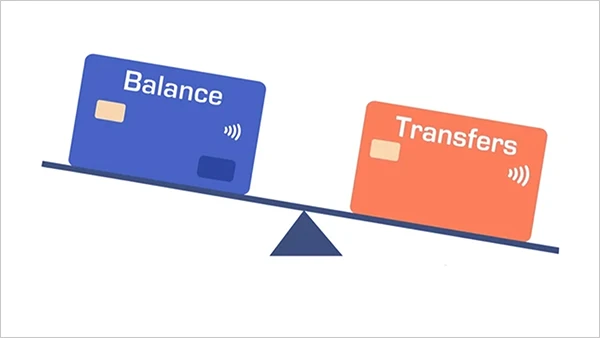
A credit card balance transfer is simply the method of transferring the balance of your current account to a new account. The new issuer is the one who generally settles the remaining balance with the old issuer. Here is what the entire process looks like:
Step 1: The first thing to do is check out the credit card issuers that provide balance transfer facilities. After that, shop around and find the best introductory periods, transfer fees, and repayment terms.
Step 2: When you find a good deal, you should submit a request for the balance transfer on the issuer’s website or mobile app. You may be required to provide data on your present provider, balance, and credit card.
Step 3: After your transfer application, your new issuer will review your credit profile and application before approving it. If selected, you will receive a formal email. The time for the transfer varies by issuer and could take several business days or longer.
Step 4: Make sure that the amount transferred is credited to your original credit card statement, and never cancel the payments on your old card until the transfer is finished.
Step 5: After transferring, you need to start paying off the new credit card debt. Please make sure to make the minimum payments due on each date and follow the repayment schedule. In an ideal situation, pay off the transferred balance prior to the end of the promotional interest rate.
How to Transfer a Balance from a Credit Card?
Credit card balance transfers are typically made online, via the mobile banking app, or by calling the card issuer.
The following are some steps you should take:
- Determine the Amount of Debt to Transfer: Check your credit statements and see if there is any debt you want to move over. Also, add any extra charges or interest before the transaction.
- Find a Suitable Credit Card: The goal is to find a card that allows balance transfers and a lower interest rate than your current one. Verify if the offer is open to new customers, existing customers, or both.
- Review Your Credit Limit: Check that you have sufficient credit to cover the amount of the transfer, plus any transfer fees.
- Complete a Transfer Request: You need to type in information like your current credit card number, bank issuer details, and the amount to transfer.
- Check Both Credit Cards: Make sure to keep your old and new statements until the transaction is complete. Not just that, make your old card’s minimum payment timely while you’re transferring.
- Make Payments Based on Plan: Once you receive the balance on your new card, use it for regular payments to build a steady credit, but refrain from making unnecessary purchases.
When Should You Choose Credit Card Balance Transfer?
The absolute correct time to choose a balance transfer is when you are under a pile of credit debt and want some relief. In other financial scenarios, it can be when interest savings are greater than the charges. But it is essential to weigh the positives and repayment capability before you get into any agreement.
Here are some situations when you might want to choose this:
- You have a credit card with a high interest rate, and you are thinking of switching to another with a lower APR to reduce the interest.
- You want to combine several credit card accounts into one to manage the bills efficiently and streamline your monthly payments.
- You have a stable income and can pay the transferred balance by the end of the promotional period. This way, you can save on extra interest charges.
A balance transfer has a simple roadmap for repayment. Meaning, you can concentrate on paying off a single account rather than balancing multiple accounts.
Things to Note Before Credit Card Balance Transfer
Credit card balance transfer seems to be a really fascinating thing that solves all credit problems, but there are some negatives attached to it as well. When considering this option, look for the best offer first. Lower interest rates are exciting, but it is important to consider how much you will save.
- Balance Transfer Fees: See if the new card has a processing fee and how it is determined. For example, if you transfer $5,000 and the issuer charges a 3% fee, you will pay $150. This amount is typically added to your new credit card balance.
- Promotional Interest Rate and Duration: Check the introductory or teaser APR and the length of time it will last. A longer promotional period will give you a longer time to pay back the debt. Moreover, review the standard APR that kicks in after the promotional period.
- Available Credit Limit: The available credit on your new card should be at least enough to cover the transfer and any associated fees. If the approved amount is less than the amount that you still owe, you may have to pay the rest off separately.
- Terms and Conditions of Repayment: Thoroughly read the cardholder agreement. Review the minimum payment requirements, payment due dates, and conditions that may lead to a loss of the promotional rate. Different card issuers charge different late fees, so keep in mind that if you miss any payment, you will be charged accordingly.
- Calculate the Total Cost and Potential Savings: Work out if you’ll earn more interest than you will pay for the transfer and other costs. You must also work out the total cost of carrying forward the debt to the new card.
For instance, if you have a high transfer fee with a 0% introductory APR, and you could afford to pay off your balance quickly, it might not be worth the compromise.
Does the Credit Card Balance Transfer Impact Your Credit Score?
A credit card balance transfer won’t hurt your credit score in and of itself. Some activities involved in the process may have a negative impact on your credit profile.
For example, if you’re applying for a new line of credit, it can trigger a hard inquiry that could drop your score a bit. Opening an account can also have an impact on the average age of your credit reports.
However, if you switch your debt to another card with a higher credit limit, you may actually lower your credit utilization ratio as long as the amount of your debt does not change. This may help improve your credit.
Your payment record is also a big factor. Prompt payments on the new credit card and lowering the amount of debt can help build a healthy credit rating over time.
Keep in mind, the effect of the credit scoring models and lender policies differ, and it depends on your financial conduct and behavior, as well as on your credit history.
Benefits and Drawbacks of Credit Card Balance Transfer
The main benefit of a credit card balance transfer is that you may be able to save money on the debt you are paying off, particularly if you have credit card debt with a high-interest rate. It can help lower borrowing expenses, streamline repayments, and make debt repayments easier. The important thing to note is that it has some drawbacks too. Let’s check them out here:
| Benefits | Drawbacks |
|---|---|
| Move High-Interest Debts: Move high-interest debts to a card with a lower APR or a card that offers a 0% APR for a limited period of time to save money on interest. | Transfer Fees: The issuers may impose a fee that depends on the amount of transfer, which will add to your debt. |
| Simplified Payments: Collect several credit card accounts onto a single account and pay fewer payments each month. | Fixed Promotion Period: After the initial period, the remaining amount could be subject to a higher interest rate. |
| Additional Repayment Time: Promotional interest periods allow you more time to pay off debt at a lower interest rate. | Credit Limit Restrictions: You may not be approved for the amount you’re looking for to be transferred. |
| Improved Cash Flow: With lower interest costs, you may find more funds available for other critical expenses. | Credit Score Impact: When a person gets a new card, it will lead to a hard inquiry and temporarily impact the credit score. |
| Structured Debt Management: When you have a repayment schedule, you can concentrate on paying off the outstanding debt. | Risk of More Debt: Continuing to use your old credit card without controlling spending can increase your overall debt. |
Final Words
Paying off high-interest debt, saving on interest costs, and making it easier to pay each month could be worthwhile reasons for doing a credit card balance transfer. But you must be aware of the fees, promotional offers, and repayment terms before making a decision. Consider comparing offers and making the calculations of the money that can be saved or lost to see if a transfer is worth the effort.
Most of all, make a realistic repayment plan, and try not to take on extra debt. If utilized responsibly, a balance transfer can assist you to get back control of your funds.
Read Next: How to Build Credit Fast: A Step-by-Step Guide for 2026
FAQs
Can you transfer the balance from multiple credit cards to one?
Yes, some credit card companies let you merge balances from several cards. But it depends on the terms and credit limit available to you from the issuer.
Do credit card balance transfers benefit personal finances?
Yes, it can lower the interest you pay if the card has a lower interest rate. But take promotional periods and transfer fees into account before deciding.
What happens if you fail to pay the balance during the promotional period?
If you have any remaining balance left, it could begin accruing interest at the typical APR of the card after the promotion expires. This could add to your repayment expense.
Sources:
- How To Transfer A Credit Card Balance In 5 Steps – By Forbes
- What Is a Balance Transfer and How Does It Work? – By Synchrony Bank