

A personal check is the traditional method of payment in which someone checks the money out of their checking account and gives it to another person or company. Digital payments, debit cards, and online banking are growing in popularity, but personal checks are still used in most businesses, including for paying rent, settling bills, or paying large amounts. Businesses that manage frequent check payments can also benefit from cloud bookkeeping services to maintain organized financial records.
Knowing the ins and outs of a personal check can help you avoid payment mistakes, use a personal check properly, and control your finances better. Let’s look at what their meaning is, what the key elements of check personal are, and how to write them here!
Personal checks come from a bank account used by an individual and can be used to make a specific monetary transfer to a specific recipient. The payer is the person or business who is issuing the check; the payee is the person or business receiving the check.
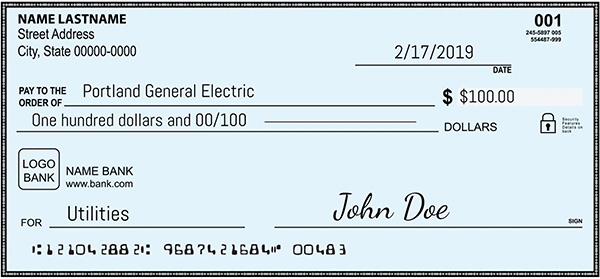
A personal check contains the name of the payee, the bank account number, the routing number, the payment amount, the date of the check, and the signature of the account holder. When the recipient deposits or cashes the check, the bank records the transaction in the bank statement and funds the recipient’s account from the bank of the check issuer. Businesses can also use bank reconciliation to compare recorded transactions with bank statements and identify discrepancies in check payments.
It is not the same as cash or electronic transfer; it does not ensure that the funds are available at the sender’s bank at the same time. The amount is based on whether the check issuer has cash available in their account at the time the check is cashed.
Personal checks are like a payment instruction between the account holder, payee, and banks. It gives the bank permission to withdraw a certain dollar amount from the issuer’s checking account and deposit it in the recipient’s account.
The process is like this:
The time to process may be different according to the banks involved, banking rules, and the method of depositing.
There are some important pieces of information on personal checks that help the bank recognize the check holder, make payment, and check the transaction.
The key elements are:
Here’s a personal check example to understand better.
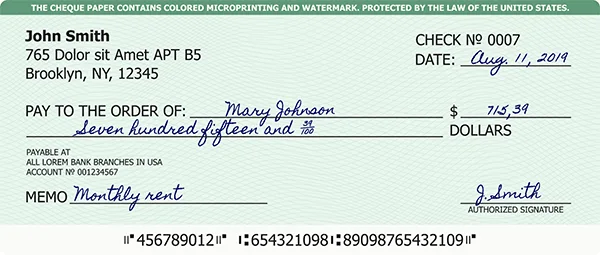
While digital wallet payments are convenient, personal checks are still a useful alternative in cases where paper checks are desired or requested by the payee.
There are several typical scenarios:
Businesses that regularly deal with payments from other companies may also use checks for B2B transactions, depending on their payment arrangements.
Check Out: Swiss Bank Account: How to Open, Benefits, Requirements, and More!
There are some key elements to include in a personal check, and it is important that they are completed correctly. Incorrectly filled-out checks, including those with the wrong amount or the wrong signature, can delay payment or render the check worthless.
Follow these steps:
Make sure to write in permanent ink, don’t leave blank spaces, and carefully review before giving the check to the person.
Personal checks, even in the digital world, hold great value in the banking system. There are, however, both benefits and disadvantages to them that you must know about:
| Pros | Cons |
|---|---|
| Best for people who prefer paper transactions, like landlords or service providers. | Check payments may take several business days to clear, which is not the case with electronic payments. |
| Enables users to make payments without having to bring a lot of cash. | If the check is written on an account that does not have enough money when the check is entered, it will get bounced and may charge extra fees. |
| Payment numbers, dates, and details make it more convenient to monitor payments and financial records. | Check stolen or altered checks or forged checks that could be used for fraud. |
| Many companies impose convenience fees for electronic transactions but will allow checks without extra fees. | There may be extra expenses associated with ordering checkbooks. |
| Recipients can sometimes deposit checks via the bank’s mobile app without going to the bank. | Personal checks are no longer accepted by many companies and online stores. |
For people considering credit cards as an alternative payment method, understanding how many credit cards they should have can help them evaluate their payment options.
There are two types of paper checks: personal checks and cashier’s checks. Both are forms of paper money, but they differ in the ways the money is funded and guaranteed.
A personal check is drawn from a person’s own checking account, whereas a cashier’s check is what you get when the bank or credit union collects the amount of the check from the customer.
| Basis | Personal Check | Cashier’s Check |
|---|---|---|
| Issued By | Individual account holder | Bank or credit union |
| Source of Funding | Personal checking or savings account | The money is collected by the bank. |
| Guarantee of Payment | Not guaranteed | It is backed by the issuing bank. |
| Processing Time | It takes several business days. | Considered reliable and faster. |
| Case Involved | Checkbook fees | Charges issuance fees. |
Payments can be made by many means other than personal checks. There are a couple of new payment options that can process transactions quickly and in a more convenient manner.
Here are some common substitutes, such as:
Depending on the transaction value, recipient requirements, needs for the processing time, and any fees involved, the right alternative must be selected.
While not as prevalent as electronic payment methods, personal checks can still be valuable; they provide an efficient way of paying landlords, service providers, and corporate entities that still prefer to receive payments in a convenient manner. Businesses can also incorporate check payments into their income statement and other financial records to maintain an overview of their income and expenses.
Checks are not always the quickest or the easiest, though. For frequent purchases like food and other necessities, electronic transfers, payment apps, and debit cards work well.
You may need to use a personal check, depending on your payment preferences and the recipient’s needs. It can be useful to have some available if you find yourself in a place where you need to pay by card but don’t have one.
When someone has to make a payment without cash or digital transactions, personal checks are the most useful. They can keep a record of the payments and are useful for rent, donations, and other expenses. They are not, however, as convenient in the day-to-day world due to slower processing times, the costs of checkbooks, and potential fraud risks.
Knowing the inner workings of personal checks, when and when not to use them, and other alternatives could help you select the payment method that’s right for you.
Personal checks have a lifespan of 6 months, although it differs based on banking policies and rules. A bank might decline to cash an old check, so you must check in with the bank’s rules first.
Yes, there are many banks that provide mobile check deposit capability in their banking app. The check has to be endorsed, photographed on both sides, and sent via the app.
A bouncing check occurs when the bank in question can’t cash the check because of a lack of funds in the account. The issuer must use another check in this case and pay the bouncing fees.
Yes, you can ask your bank for a stop payment on the check if it has not been cashed. This service may incur a fee from your bank, and you’ll have to give information like the amount and check number.
If you lose a personal check before it is deposited, contact your bank right away. You can put a stop-payment order in place to avoid another person being able to cash it.
Sources:
- What is a personal check? – By First Citizens Bank
- How To Write A Personal Check – By Forbes